

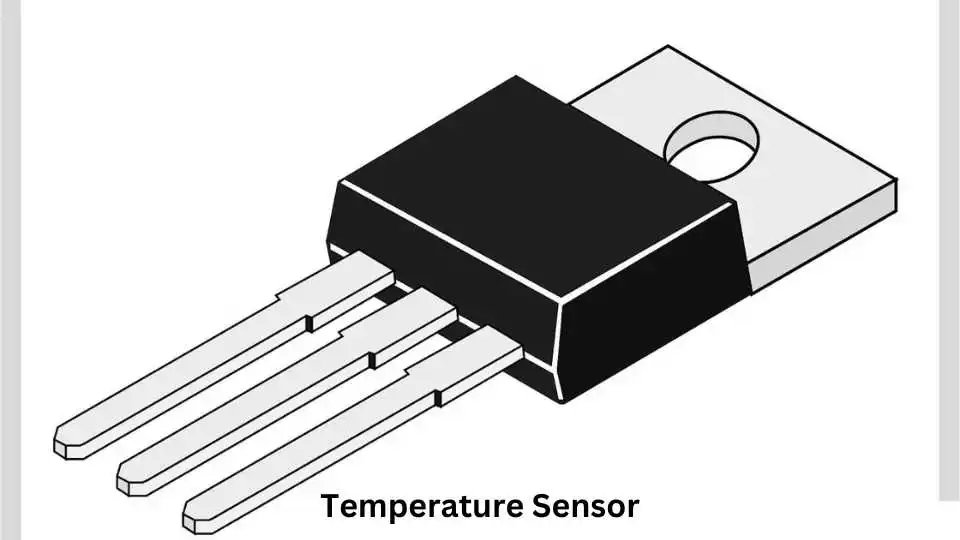
All About Temperature Sensor: Types, Working, and Applications
Temperature sensor is a vital component in many modern technologies, used in applications ranging from household appliances to industrial machinery. This device measures temperature and converts it into a signal that can be read by an observer or an instrument. This comprehensive guide covers everything about temperature sensors, including what they are, their types, working principles, and applications.
What is a Temperature Sensor?
A temperature sensor is a device that measures the degree of hotness or coolness and converts this data into a readable form. It is critical in maintaining and monitoring temperatures in a wide array of applications. The output of this sensor can be in the form of an electrical signal, a visual display, or even an alert.
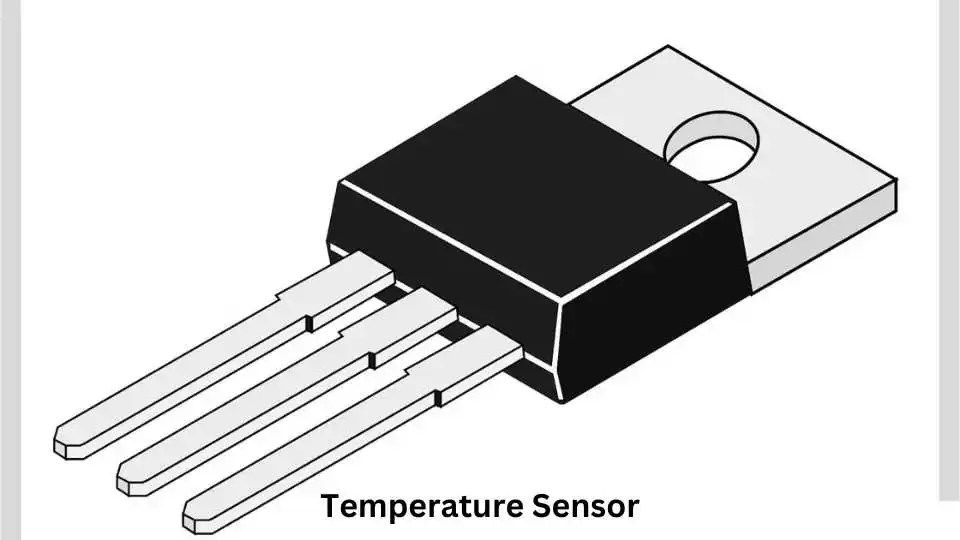
A temperature sensor is used extensively in various industries, including automotive, aerospace, medical, and consumer electronics. It helps in ensuring that systems operate within the required temperature ranges, preventing overheating or freezing, which can lead to system failures or inefficiencies.
Types of Temperature Sensors
Temperature sensors can be classified into several types based on their operating principles and applications. The most common types include thermocouples, RTDs (Resistance Temperature Detectors), thermistors, infrared sensors, and semiconductor sensors.
Thermocouples
A thermocouple consists of two different metals joined at one end. When the junction of the two metals is heated or cooled, it produces a voltage that can be correlated back to the temperature.

Applications: Used in industrial processes, HVAC systems, and gas turbine exhausts.
Example: Thermocouples are widely used in industrial furnaces to measure high temperatures accurately and ensure the correct heat treatment of materials.
Detailed Information: Thermocouples are highly valued for their wide temperature range and durability. They can measure temperatures from -200°C to 2500°C, making them suitable for extreme environments. They are also relatively inexpensive and have fast response times. However, thermocouples require cold junction compensation and can have lower accuracy compared to other types of sensors.
Also Check: Automation Products
Resistance Temperature Detectors (RTDs)
Description: An RTD measures temperature by correlating the resistance of the RTD element with temperature. It is made from pure materials such as platinum, which have a predictable change in resistance with temperature.

Applications: Commonly used in laboratories, food processing, and industrial applications.
Example: RTDs are used in brewing processes to monitor and control the temperature of the brewing vats, ensuring product quality and consistency.
Detailed Information: RTDs are known for their high accuracy and stability. They can measure temperatures ranging from -200°C to 600°C. Platinum RTDs (Pt100 and Pt1000) are the most common types, offering excellent linearity and repeatability. They are, however, more expensive and require a power supply for their operation.
Thermistors
Description: A thermistor is a temperature-sensitive resistor, typically made from ceramic materials. It exhibits a large change in resistance with a small change in temperature.
Applications: Used in automotive sensors, household appliances, and digital thermometers.
Example: Thermistors in refrigerators help maintain the correct internal temperature by providing feedback to the cooling system.
Detailed Information: Thermistors are highly sensitive and provide precise temperature measurements over a narrow range, typically between -100°C and 300°C. They come in two types: NTC (Negative Temperature Coefficient), where resistance decreases with increasing temperature, and PTC (Positive Temperature Coefficient), where resistance increases with increasing temperature. NTC thermistors are more common in temperature sensing applications.
Infrared Sensors
Description: An infrared temperature sensor detects the infrared radiation emitted by objects. The amount of radiation emitted correlates to the object’s temperature.
Applications: Used in medical thermometers, automotive night-vision systems, and industrial monitoring.
Example: Infrared sensors are used in non-contact thermometers to measure body temperature quickly and accurately, especially useful in medical settings.
Detailed Information: Infrared sensors allow for non-contact temperature measurements, making them ideal for moving objects or situations where a probe cannot be used. They can measure temperatures from -70°C to 1000°C. These sensors are used in applications requiring quick and accurate measurements, such as in electrical maintenance and monitoring the temperature of rotating machinery.
Semiconductor Sensors
Description: This sensor uses semiconductor materials to measure temperature. The voltage across a diode changes with temperature, which can be measured and converted to temperature readings.
Applications: Found in integrated circuits for temperature monitoring in electronic devices and computers.
Example: Semiconductor temperature sensors are used in CPU temperature monitoring systems to prevent overheating and ensure optimal performance.
Detailed Information: Semiconductor sensors, such as the LM35 and TMP36, are known for their accuracy and ease of integration with digital systems. They typically measure temperatures from -55°C to 150°C. These sensors provide analog voltage output directly proportional to the temperature, simplifying the data acquisition process.
Working Principle of Temperature Sensor
The working principle of a temperature sensor varies depending on the type of sensor:
Thermocouples
Working Principle: Thermocouples work on the principle of the Seebeck effect, where a voltage is produced at the junction of two different metals proportional to the temperature difference between the junction and the other ends of the metals.
Detailed Information: When the junction of the two dissimilar metals is heated or cooled, a thermoelectric voltage is generated. This voltage can be measured and correlated to the temperature. The relationship between the voltage and temperature is given by the thermocouple’s characteristic curve, which is specific to the type of metals used.
Resistance Temperature Detectors (RTDs)
Working Principle: RTDs operate on the principle that the electrical resistance of metals increases with temperature. By measuring the resistance of the RTD element, the temperature can be determined.
Detailed Information: RTDs use a thin film or wire wound element made of platinum or other pure metals. The resistance change is linear and predictable, making RTDs highly accurate and stable. The resistance-temperature relationship is described by the Callendar-Van Dusen equation.
Thermistors
Working Principle: Thermistors rely on the change in resistance with temperature. There are two types: NTC (Negative Temperature Coefficient) thermistors, where resistance decreases with an increase in temperature, and PTC (Positive Temperature Coefficient) thermistors, where resistance increases with an increase in temperature.
Detailed Information: The resistance change in thermistors is more significant than in RTDs, providing higher sensitivity. NTC thermistors are commonly used in temperature sensing applications, while PTC thermistors are often used in overcurrent protection circuits.
Infrared Sensors
Working Principle: Infrared sensors detect infrared radiation emitted by an object. The intensity of the radiation increases with temperature. By measuring this radiation, the temperature of the object can be determined without direct contact.
Detailed Information: Infrared sensors use a lens to focus the infrared radiation onto a detector, usually a thermopile or pyroelectric sensor. The detector converts the radiation into an electrical signal, which is then processed to determine the temperature. This method allows for fast and accurate temperature measurements of moving or inaccessible objects.
Semiconductor Sensors
Working Principle: Semiconductor temperature sensors utilize the temperature dependence of the forward voltage drop of a diode. The voltage drop changes predictably with temperature, allowing for accurate temperature measurement.
Detailed Information: Semiconductor sensors are integrated circuits that provide a voltage output proportional to the temperature. The output can be read directly by microcontrollers or other digital systems, making them easy to integrate into modern electronic devices.
Also Check: Electrical Equipment
Applications of Temperature Sensors
Temperature sensors are used in a wide range of applications across various industries. Here are some detailed examples:
Industrial Automation
Applications: A temperature sensor is crucial in industrial processes to monitor and control the temperature of machinery and processes, ensuring efficiency and safety.
Example: In chemical manufacturing, temperature sensors monitor reactors’ temperatures to maintain optimal conditions for chemical reactions, ensuring product quality and safety.
Detailed Example: In steel manufacturing, thermocouples are used to measure the temperature of molten steel, ensuring it reaches the correct temperature for casting. Accurate temperature control is essential to produce high-quality steel with the desired properties.
Automotive Industry
Applications: Used in engine management systems, climate control, and battery monitoring.
Example: Temperature sensors in car engines help monitor and control the engine’s temperature, preventing overheating and ensuring efficient operation.
Detailed Example: In electric vehicles, RTDs and thermistors are used to monitor the temperature of the battery pack. Proper temperature management is crucial for battery performance, longevity, and safety. The sensors provide real-time data to the battery management system, which adjusts cooling and heating as needed.
Medical Devices
Applications: Used in diagnostic and monitoring equipment.
Example: In medical thermometers, infrared temperature sensors measure body temperature quickly and accurately, which is essential for diagnosing and monitoring fevers and other medical conditions.
Detailed Example: In incubators for newborns, temperature sensors ensure a stable and controlled environment by continuously monitoring and adjusting the temperature. This precise control is vital for the health and development of premature infants.
Consumer Electronics
Applications: Found in household appliances like ovens, refrigerators, and air conditioners.
Example: Temperature sensors in ovens regulate the cooking temperature to ensure food is cooked evenly and safely.
Detailed Example: In modern smart ovens, temperature sensors are used to monitor the internal temperature continuously. They send real-time data to the control system, which adjusts the heating elements to maintain the set temperature. This ensures precise cooking results and prevents overcooking or undercooking. Similarly, in refrigerators, temperature sensors ensure that the internal environment is kept at the optimal temperature to preserve food freshness and prevent spoilage.
Aerospace Industry
Applications: Used in monitoring and controlling the temperature of aircraft systems and components.
Example: Temperature sensors in aircraft engines monitor and maintain optimal operating temperatures, ensuring engine performance and safety.
Detailed Example: In the aerospace industry, temperature sensors are critical for monitoring the temperature of various components, such as avionics, hydraulic systems, and environmental control systems. For instance, RTDs are used in jet engines to monitor the temperature of the turbine blades and other critical components. Accurate temperature data helps in optimizing performance, reducing fuel consumption, and ensuring the safety and reliability of the aircraft.
Environmental Monitoring
Applications: Used in weather stations and environmental monitoring systems to measure air and water temperatures.
Example: Temperature sensors in weather stations provide critical data for weather forecasting and climate studies.
Detailed Example: In environmental monitoring, temperature sensors are deployed in various settings, such as rivers, oceans, and forests, to track temperature changes over time. This data is vital for understanding climate change, managing natural resources, and conducting scientific research. For example, thermistors are used in water monitoring systems to measure the temperature of rivers and lakes, which is crucial for assessing the health of aquatic ecosystems.
Food and Beverage Industry
Applications: Used to monitor and control temperatures during food processing and storage to ensure food safety and quality.
Example: Temperature sensors in cold storage facilities ensure that perishable goods are stored at the correct temperatures to prevent spoilage.
Detailed Example: In the food and beverage industry, maintaining precise temperature control is essential for product quality and safety. RTDs and thermocouples are commonly used in pasteurization processes to ensure that products are heated to the required temperatures to kill harmful bacteria without affecting the nutritional value. In cold storage, temperature sensors provide continuous monitoring and control, ensuring that meats, dairy products, and other perishables are kept at safe temperatures throughout the storage period.
Advantages and Limitations of Temperature Sensors
Advantages:
Wide Range of Applications: A temperature sensor is versatile and used in various fields, from industrial automation to consumer electronics.
Accuracy and Reliability: Modern temperature sensors offer high accuracy and reliability, which is crucial for critical applications like medical devices and aerospace.
Non-Contact Measurement: Infrared temperature sensors allow for non-contact temperature measurement, which is essential in medical and hazardous environments.
Integration: A temperature sensor can be easily integrated into electronic systems, providing real-time temperature monitoring and control.
Durability: Many temperature sensors, such as thermocouples and RTDs, are designed to withstand harsh environments, making them suitable for industrial applications.
Limitations:
Environmental Sensitivity: Some temperature sensors can be affected by environmental factors such as humidity and pressure, which may affect their accuracy.
Calibration: Many temperature sensors require regular calibration to maintain accuracy, which can be time-consuming and costly.
Range Limitations: Different types of temperature sensors have specific temperature ranges they can measure, limiting their use in certain applications.
Response Time: Some temperature sensors may have slower response times, which can be a limitation in applications requiring rapid temperature changes.
Conclusion
A temperature sensor is indispensable in modern technology, offering precise and reliable temperature measurements across various applications. Understanding what a temperature sensor is, the different temperature sensor types, and their working principles can help in selecting the right sensor for specific needs. Whether used in industrial automation, automotive systems, medical devices, or consumer electronics, temperature sensors play a crucial role in ensuring optimal performance and safety.
Check our Latest Update on Linkedin.
Reach Us
